A stairlift is an essential part of daily life, providing safe and easy mobility in your home. Like any mechanical device, it can experience wear and tear over time.
Knowing the signs that your stairlift needs professional maintenance can help prevent:
- Breakdowns
- Safety risks
- Costly repairs
Regular maintenance not only keeps your stairlift running smoothly but also ensures that it remains safe for daily use. Paying attention to early warning signs can save you time, stress, and money in the long run.
What you’ll learn in this article:
- Common warning signs such as unusual noises, slow movement, or unresponsive controls
- Steps to take to keep your stairlift running smoothly and safely
- How early detection helps ensure reliability and peace of mind
Catching problems early keeps your stairlift safe, efficient, and ready whenever you need it.
What Are the Common Signs Your Stairlift Needs Maintenance?
If your stairlift is acting up, it’s important to address the issue before it gets worse. Here are the most common signs that it’s time for professional stairlift maintenance:
1. Slow or Jerky Movements
If your stairlift moves slower than usual or jerks during operation, it may indicate a problem with the motor, track, or gears.
- Check the track for blockages or dirt.
- Apply lubrication if needed.
- Contact a professional if the jerking continues.
2. Unusual Noises
Grinding, squeaking, or clicking sounds often point to worn parts, lubrication needs, or motor issues.
- Lubricate moving parts to see if the noise stops.
- If it persists, call a technician to inspect the lift.
3. Difficulty Reaching the Top or Bottom
Struggling to reach the ends of the track can signal track misalignment or battery issues.
- Ensure the track is clear of obstructions.
- If problems continue, schedule a professional inspection.
4. Battery Issues
A weak or dead battery is a common cause of sudden stops or failure to operate.
- Check that the battery is fully charged.
- Replace the battery if it isn’t holding a charge.
5. Failure to Respond to Remote or Controls
If your stairlift doesn’t respond, it could be an electrical issue or a dead remote battery.
- Try replacing the remote batteries.
- If it still doesn’t respond, contact a professional for assistance.
These signs indicate your stairlift needs attention. Don’t wait until the problem worsens, contact South Florida Stair Lifts for professional stairlift repair to keep your lift safe and reliable.
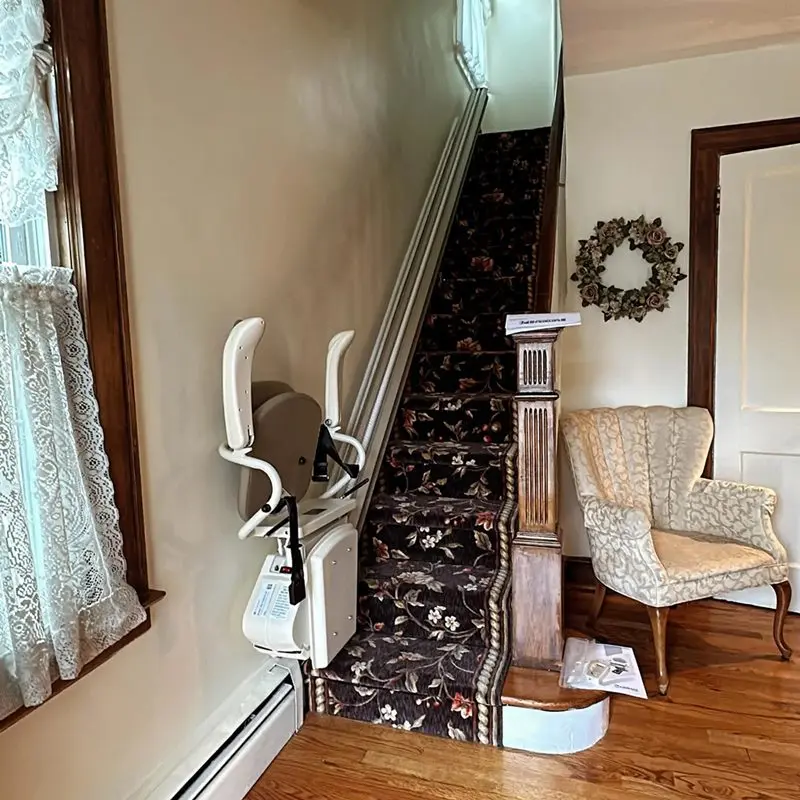
How Professional Stairlift Repair Prevents Further Damage
When a stairlift starts having problems, acting quickly is important to stop bigger issues from happening. Professional repairs fix small problems before they turn into expensive or serious damage.
Why Professional Repair Matters:
- Technicians check the motor, tracks, and safety features for potential issues.
- Early repairs prevent extra wear and tear that could cause costly breakdowns.
- Keeps your stairlift running smoothly and efficiently for years.
- Protects your investment by making sure the stairlift works properly without causing more damage.
Regular professional repair helps your stairlift last longer and stay safe to use.
Steps to Take if Your Stairlift Stops Working
If your stairlift stops working, you can try these simple steps to find the problem:
- Check the Power: Make sure the stairlift is plugged in and the battery is charged.
- Inspect the Track: Look for any blockages, dirt, or debris that could be stopping it.
- Check the Remote: Make sure the remote control has fresh batteries.
If your stairlift still isn’t working after these checks, call a professional technician for a full inspection and repair.
The Importance of Stairlift Service for Home Accessibility
Stairlifts are vital for people with mobility challenges, helping them move safely and reliably between floors. Regular service makes sure your stairlift works correctly and stays safe to use.
Without proper maintenance, small problems can turn into bigger issues, which may cause accidents and shorten the stairlift’s lifespan.
Why Regular Service Matters:
- Keeps the stairlift running smoothly.
- Ensures safety features, like sensors and brakes, are working properly.
- Prevents unexpected breakdowns and reduces the risk of accidents.
- Makes your stairlift a dependable part of your home’s accessibility system.
Routine stairlift service helps maintain safety, reliability, and peace of mind.
How to Spot Stairlift Issues Early
Catching stairlift problems early can save time, money, and prevent accidents. Watch for these warning signs:
- Unusual Sounds: Grinding, squeaking, or other strange noises may mean there’s a mechanical problem.
- Slow or Jerky Movements: This could indicate issues with the motor or track.
- Remote or Seat Problems: Difficulty using the remote control or locking the seat may signal a malfunction.
- Changes in Responsiveness: Any noticeable drop in performance or safety feature function should be addressed.
Regular inspections and acting quickly when problems appear can help prevent costly repairs and keep your stairlift running safely and smoothly.
When to Call for Stairlift Maintenance
You should contact a technician for stairlift maintenance if you notice any of the following:
- The lift isn’t moving as smoothly as before.
- You hear unusual sounds, like grinding or squeaking.
- The lift moves slowly or stops at certain points.
- The remote control or seat lock isn’t working correctly.
- It has been over a year since your last maintenance.
Regular maintenance helps your stairlift last longer and prevents small issues from becoming bigger, more expensive problems.
How Malfunctions Affect Your Home’s Accessibility
A broken or malfunctioning stairlift can make it hard for people who rely on it to move safely between floors. Problems like slow movement or failing to reach certain levels can make getting around your home difficult or even dangerous.
Why Malfunctions Matter:
- Slow Movement: Can cause delays and frustration for daily use.
- Incomplete Travel: Failing to reach the top or bottom of the stairs limits access.
- Safety Risks: Malfunctions can increase the risk of accidents or falls, especially for those with mobility challenges.
Regular maintenance and timely repairs are key to keeping your stairlift working properly. This ensures your home remains safe, accessible, and comfortable for everyone who relies on it.
Conclusion
Regular maintenance and timely repairs are essential to keeping your stairlift safe, reliable, and accessible. Fixing small issues early can prevent bigger problems and help your stairlift last longer.
With expert support from South Florida Stairlifts, you can ensure your stairlift stays in top condition. Routine servicing and prompt repairs help maintain smooth operation, safety, and peace of mind in your home.
Frequently Asked Questions
How much does professional stairlift maintenance usually cost?
The cost of maintenance depends on the type of service and the provider. Basic maintenance is typically in the lower range, while more complex repairs may cost more.
How long does a typical stairlift service visit take?
Most service visits last between 30 minutes and 1 hour. The time can vary depending on how much maintenance or repair is needed.
Will regular maintenance void my stairlift warranty?
No. Most manufacturers recommend regular maintenance to keep your warranty valid. Servicing helps your stairlift work efficiently and can prevent warranty issues.
Can I use my stairlift while waiting for a technician?
If the stairlift is still working but has a minor issue, it may be safe to use. However, if it shows serious problems or malfunctions, it’s best to wait for a technician. Using a broken stairlift can cause further damage or increase the risk of accidents.
What happens if I ignore warning signs or error codes?
Ignoring warning signs or error codes can cause more damage, making repairs costlier and more complicated. Small problems can grow over time and may even cause the stairlift to stop working completely, leaving you without access. It’s always best to address warning signs as soon as they appear by calling a professional technician.
Is stairlift maintenance different for straight vs. curved stairlifts?
Yes. Curved stairlifts need more detailed inspections because their tracks are custom-made for each staircase. This design requires extra attention to ensure everything stays aligned and works properly. Straight stairlifts have simpler tracks and usually need less complex maintenance. Both types, however, benefit from regular servicing to stay safe and reliable.